

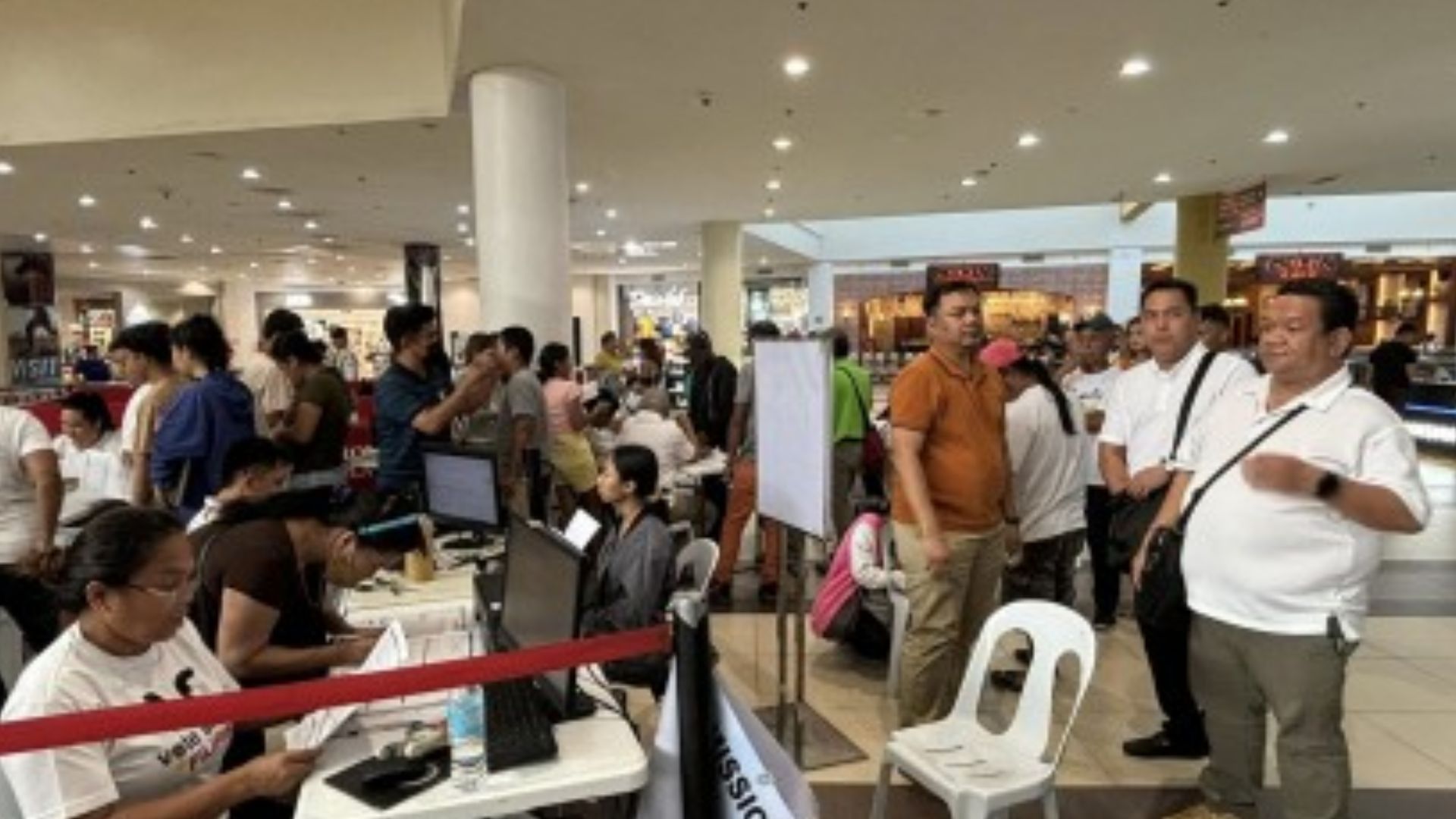







The Commission on Elections – Negros Island Region (Comelec-NIR) on Wednesday warned those eyeing to run in next year’s Barangay and Sangguniang Kabataan Elections (BSKE) against putting inaccurate information in their certificates of candidacy (COC).
Lawyer Lionel Marco Castillano, Comelec-NIR director, told the Philippine News Agency that placing inaccuracies in the COC would amount to “material misrepresentation.”
“Since that COC is sworn, any false statement made there would be a serious misrepresentation and regarded as an election offense,” Castillano said.
His statement came after a recent decision by the Comelec to file criminal charges in court against an individual in Bacong, Negros Oriental, who was found to have allegedly misrepresented himself during the 2018 BSKE.
During an investigation stemming from an electoral protest, it was discovered that the individual filed his COC for a barangay position even though he was not a registered voter.
Election law mandates that a person running for public office should be a registered voter.
Asked why the election officer in Bacong received the person’s COC without verifying his status as a registered voter, Castillano explained that at that time, the Comelec primarily held a ministerial function in receiving COCs and other paperwork from candidates.
“However, this has already changed since the Comelec will now guarantee that candidates seeking elective posts must first be registered voters before their COC is accepted,” Castillano said. (PNA)