








The Senate will remove two unconstitutional spending provisions from the proposed 2027 national budget and tighten safeguards on unprogrammed appropriations as lawmakers prepare to finalize the spending bill for plenary deliberations.
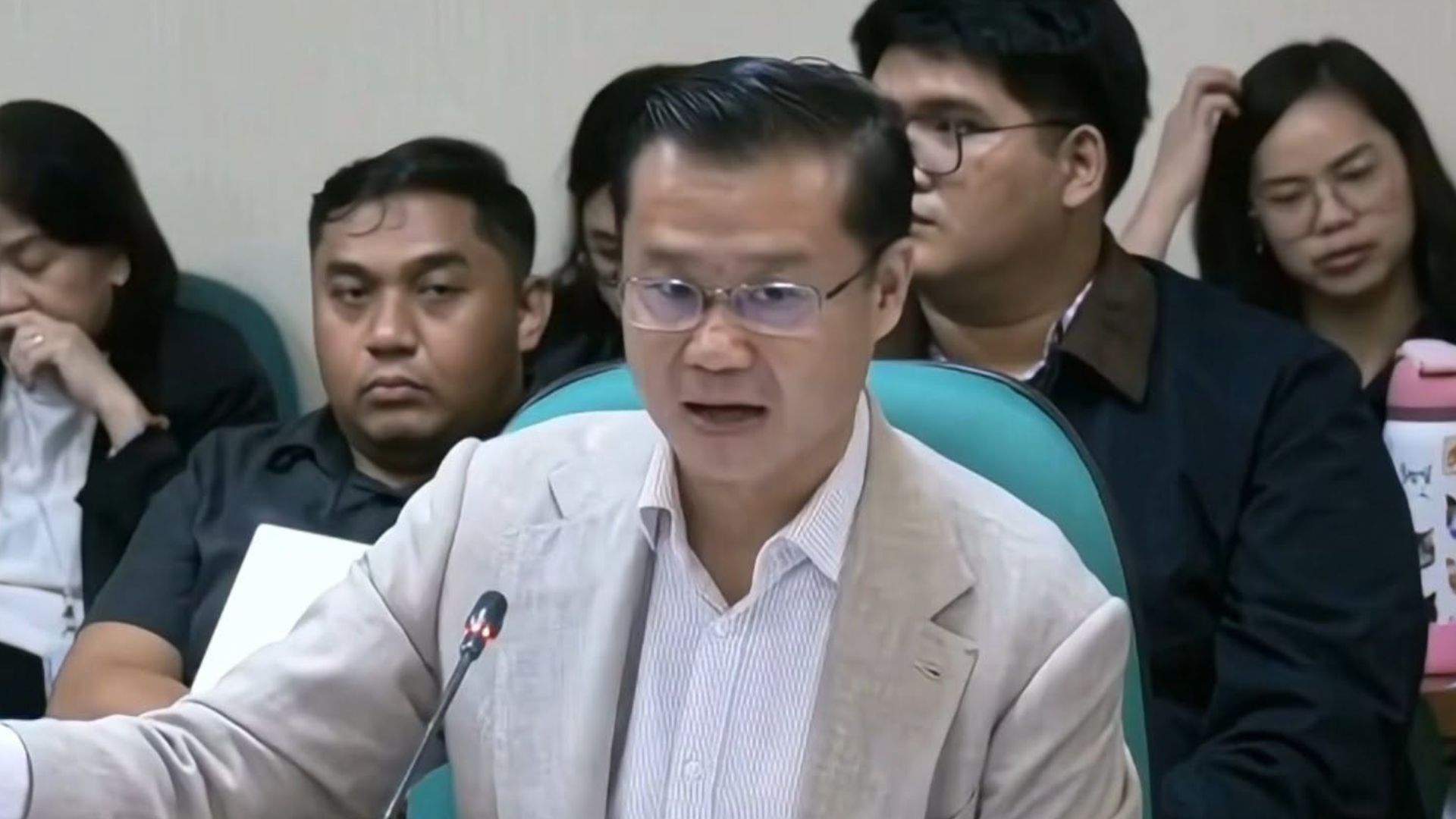
Senate President Sherwin Gatchalian made the commitment Thursday during the Senate Committee on Finance hearing, following the Supreme Court’s ruling invalidating Special Provisions 1(a) and 1(b) of the 2026 General Appropriations Act.
“For sure, tatanggalin na namin yung 1A and 1B (For sure, we will remove 1A and 1B),” Gatchalian said.
Department of Budget and Management (DBM) Acting Secretary Kim Robert de Leon said the agency was prepared to help Congress revise the spending provisions in accordance with four safeguards identified by the high court, including restrictions on lump-sum appropriations.
He said the DBM could furnish lawmakers with an itemized breakdown of foreign-assisted projects covered by proposed unprogrammed appropriations, allowing Congress to examine the specific expenditures before approving them.
“We stand ready to help Congress in complying with that guardrail,” De Leon said.
The DBM also expressed openness to additional legislative conditions governing the release of standby funds, including clearer approval requirements and accountability mechanisms.
Congressional Spending Authority
Gatchalian separately raised concerns over the ruling’s implications for Congress’ authority to increase allocations for individual government programs and projects.
He questioned whether lawmakers could still redistribute funding among projects as long as the total appropriations remained within the amount recommended by the President.
De Leon said the DBM’s legal team was reviewing the ruling alongside the earlier Supreme Court decision in Sarmiento v. Treasurer of the Philippines, which addressed the constitutional ceiling on congressional appropriations.
“That has been the practice in the budget cycle,” he said, referring to adjustments within the overall spending ceiling.
Both officials acknowledged the need for further legal clarification, with the Senate and DBM planning consultations with the Office of the Solicitor General.
Gatchalian said the clarification was essential as the Senate moves from agency budget hearings to consolidation and plenary deliberations, where lawmakers must determine which proposed increases, reductions and realignments remain permissible. (Wilnard Bacelonia/PNA)